
Reflection · 10 September 2026
The road to Public Market Fit
Where Public Market Fit comes from, and why selling to the public sector is, above all, strategy.
Ana Gloria
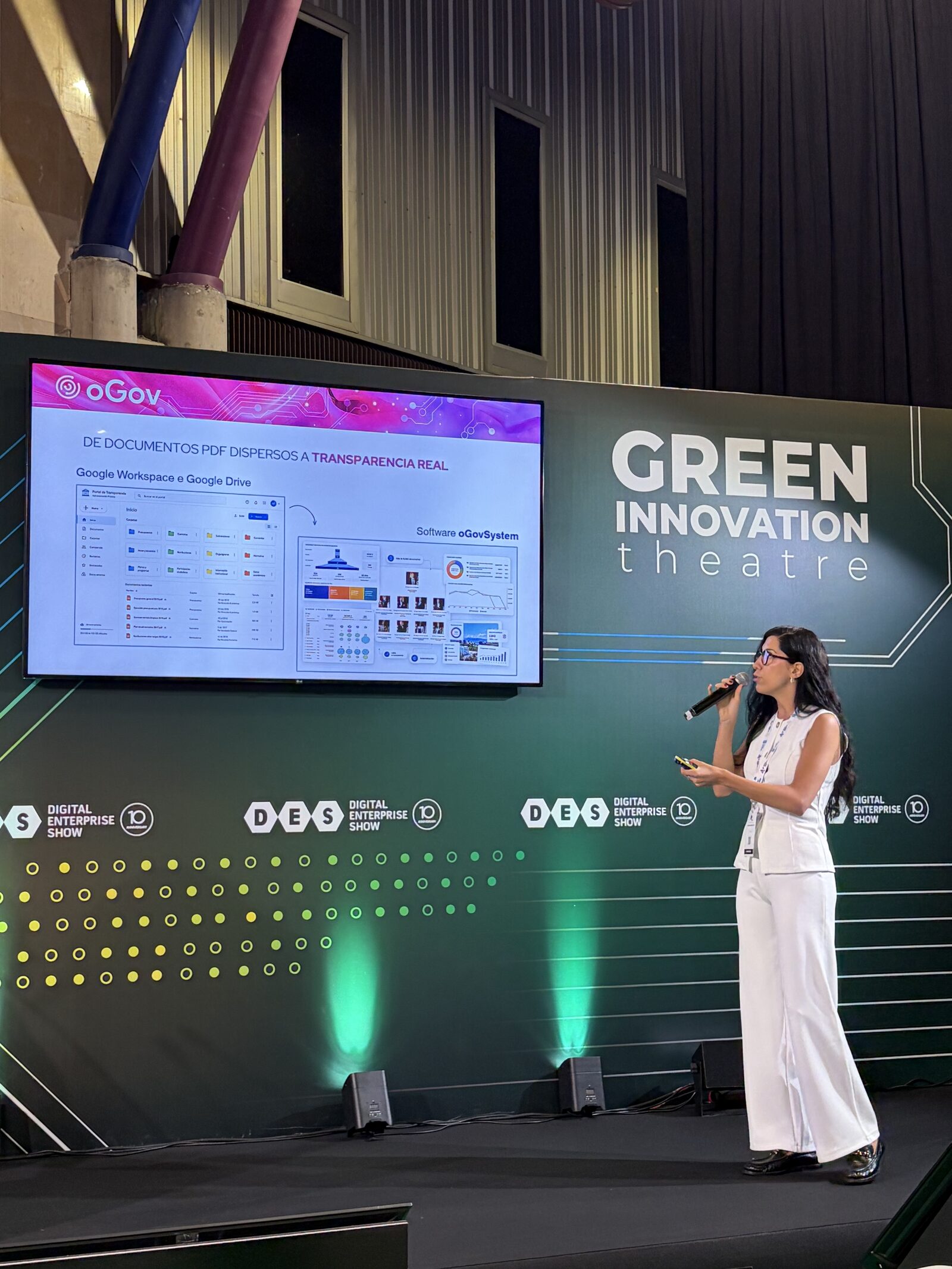
I don't know exactly when it began.
It certainly didn't begin the day I decided to give it a name. And possibly long before I was aware of the value of what I was learning. I'd say it was the day of my first sales meeting. Then again, it was probably on the way to getting it.
Why it exists
Everyone knows how complex the public sector is, especially when you want to sell to it. After ten years I'm convinced it isn't about being likeable, a good salesperson or having a good product or service. It's about strategy: designing your organisation to compete in complex, open processes. Public Market Fit is, above all, a model to help you understand how this sector works, how to validate and, above all, how to scale.
I've been selling to the public sector for about ten years. But when I started, at around 25, I knew absolutely nothing about any of this.
And there was nowhere to learn it.
Public procurement was quite different. Digitalisation was far more limited. And AI, obviously, didn't exist. If you were lucky, there was a manual on how to use the procurement platforms — and back then, using what is now the Public Sector Procurement Platform wasn't even mandatory.
Anecdotes aside, I didn't need to know how to bid, because nobody was even buying my product yet. I needed to learn something much harder: how you sell to public administrations.
And that wasn't in any manual.
A year on the road
So I learned it in a rather unsophisticated way: by getting in the car. In one of those early years I bought a car, put 100,000 kilometres on it in the first year and visited around 400 public institutions.
I walked into city councils, provincial councils, port authorities, public companies, regulators and all kinds of bodies.
And I found it fascinating. I had studied Political Science and Public Administration, so every time I walked through the door of an institution I felt I was entering a part of the State I had only known on paper.
I sat down with very small administrations and with top-tier organisations: large cities, provincial councils, port authorities… some of which I only discovered existed along the way.
I'm still not sure how I got into some of those meetings being so young.
But I did.
And I asked.
And I listened — a lot.
Learning a market
Over time I realised I was doing something more important than presenting a product (or a service, back then). I was learning a market. Not a sector: a market.
Each meeting showed me why a need that looked obvious from the outside wasn't always obvious from the inside. Why a technically good solution might not fit. Why some projects moved forward while others stayed a conversation for years. Who could really drive a decision. What role budget, political timing, technical staff, procurement or simply an organisation's capacity for change played.
I also learned that two administrations that look identical on paper can behave in completely different ways.
And so, meeting after meeting, I began to spot patterns.
I've built my whole career around this market, across the full process: product design, presentation, sales and delivery. I've sold and delivered around €5M, worked with more than 200 administrations, and I couldn't tell you how many institutions I've met with.
Probably more than a thousand.
But what matters most to me isn't the number. It's what lay behind those meetings.
Bidding doesn't come first
Because after ten years you realise that selling to the public sector isn't about learning to bid.
Bidding is one part of the process. And it's certainly not the first.
First you need to know whether there's a sufficiently relevant need. Who has it. Who can mobilise it. Whether there's budget. How the offer should be designed. What price that market can bear. What barriers to entry you'll face. How you'll land a first reference. How you'll stand out when competitors arrive. And, above all, how to turn all of that into a repeatable strategy.
That's where, for me, the real problem begins.
Because a company doesn't enter the public market simply by deciding it wants to sell to government. It has to find its fit in the public market.
And that fit affects far more than it seems: the product, the value proposition, the segment of administration you target, the sales model, pricing, channel, implementation and, of course, the procurement route.
That is Public Market Fit.
From the seller's side
It doesn't aim to teach the public sector to buy better, although that's a necessary and fascinating debate. It deliberately starts from the other side. The side of whoever has to sell.
The startup that has built a solution and wants to know whether there's a public market for it. The SME that has worked in B2B for years and wants to open a B2G line. The foreign company that arrives in Spain and discovers that understanding procurement isn't enough to understand how the public sector really works.
Nor is it an exclusively GovTech methodology. Technology is only one part of the public market. Public Market Fit is about companies that sell products and services to government and need to learn to do it with strategy, autonomy and method.
A map
Looking back, I would have loved to find something like this when I was 25. It would have saved me a lot of kilometres, a lot of mistakes and quite a few meetings where I clearly didn't know what I was doing.
Although part of me is glad it didn't exist.
Because having to figure it out forced me to learn something even more valuable: learning how to learn a market.
- To listen before assuming.
- To observe patterns.
- To change a proposal when the market shows it doesn't work.
- To tell interest apart from demand.
- To understand that a lost sale can also hold extraordinarily useful information.
That's where Public Market Fit comes from. From trying to put order into what I learned, in a rather disorderly way, over ten years. And from thinking it might help others travel that road with something I didn't have when I started:
a map.